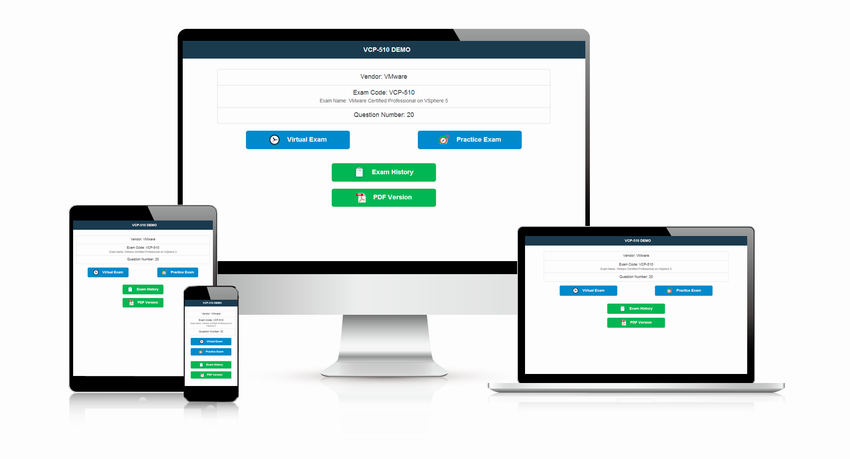
The free trail available for you
Learning at electronic devices does go against touching the actual study. Although our Designing and Implementing a Microsoft Azure AI Solution (AI-102 Korean Version) exam study material has been known as one of the leading providers in the world, you may be still suspicious of our quality. For your convenience, our AI-102 Korean exam study material can be free downloaded a small part, so you will know whether it is suitable for you to use our Designing and Implementing a Microsoft Azure AI Solution (AI-102 Korean Version) exam study material.
Free updating for one year
As the industry has been developing more rapidly, our Designing and Implementing a Microsoft Azure AI Solution (AI-102 Korean Version) exam training pdf has to be updated at irregular intervals in case of keeping pace with changes. With the latest Designing and Implementing a Microsoft Azure AI Solution (AI-102 Korean Version) updated study material, you can have a good experience in practicing the test. We provide free updating for one year. After your payment, we will send the updated Designing and Implementing a Microsoft Azure AI Solution (AI-102 Korean Version) exam study material to you immediately. If you have any question about our products, please leave us a message.
Microsoft AI-102 Exam Syllabus Topics:
| Topic | Details |
|---|---|
Plan and Manage an Azure Cognitive Services Solution (15-20%) | |
| Select the appropriate Cognitive Services resource | - select the appropriate cognitive service for a vision solution - select the appropriate cognitive service for a language analysis solution - select the appropriate cognitive Service for a decision support solution - select the appropriate cognitive service for a speech solution |
| Plan and configure security for a Cognitive Services solution | - manage Cognitive Services account keys - manage authentication for a resource - secure Cognitive Services by using Azure Virtual Network - plan for a solution that meets responsible AI principles |
| Create a Cognitive Services resource | - create a Cognitive Services resource - configure diagnostic logging for a Cognitive Services resource - manage Cognitive Services costs - monitor a cognitive service - implement a privacy policy in Cognitive Services |
| Plan and implement Cognitive Services containers | - identify when to deploy to a container - containerize Cognitive Services (including Computer Vision API, Face API, Languages, Speech, Form Recognizer) - deploy Cognitive Services Containers in Microsoft Azure |
Implement Computer Vision Solutions (20-25%) | |
| Analyze images by using the Computer Vision API | - retrieve image descriptions and tags by using the Computer Vision API - identify landmarks and celebrities by using the Computer Vision API - detect brands in images by using the Computer Vision API - moderate content in images by using the Computer Vision API - generate thumbnails by using the Computer Vision API |
| Extract text from images | - extract text from images or PDFs by using the Computer Vision service - extract information using pre-built models in Form Recognizer - build and optimize a custom model for Form Recognizer |
| Extract facial information from images | - detect faces in an image by using the Face API - recognize faces in an image by using the Face API - analyze facial attributes by using the Face API - match similar faces by using the Face API |
| Implement image classification by using the Custom Vision service | - label images by using the Computer Vision Portal - train a custom image classification model in the Custom Vision Portal - train a custom image classification model by using the SDK - manage model iterations - evaluate classification model metrics - publish a trained iteration of a model - export a model in an appropriate format for a specific target - consume a classification model from a client application - deploy image classification custom models to containers |
| Implement an object detection solution by using the Custom Vision service | - label images with bounding boxes by using the Computer Vision Portal - train a custom object detection model by using the Custom Vision Portal - train a custom object detection model by using the SDK - manage model iterations - evaluate object detection model metrics - publish a trained iteration of a model - consume an object detection model from a client application - deploy custom object detection models to containers |
| Analyze video by using Azure Video Analyzer for Media (formerly Video Indexer) | - process a video - extract insights from a video - moderate content in a video - customize the Brands model used by Video Indexer - customize the Language model used by Video Indexer by using the Custom Speech service - customize the Person model used by Video Indexer - extract insights from a live stream of video data |
Implement Natural Language Processing Solutions (20-25%) | |
| Analyze text by using the Language service | - retrieve and process key phrases - retrieve and process entity information (people, places, urls, etc.) - retrieve and process sentiment - detect the language used in text |
| Manage speech by using the Speech service | - implement text-to-speech - customize text-to-speech - implement speech-to-text - improve speech-to-text accuracy - improve text-to-speech accuracy - implement intent recognition |
| Translate language | - translate text by using the Translator service - translate speech-to-speech by using the Speech service - translate speech-to-text by using the Speech service |
| Build a initial language model by using Language Understanding Service (LUIS) | - create intents and entities based on a schema, and add utterances - create complex hierarchical entities
- train and deploy a model |
| Iterate on and optimize a language model by using Language Understanding | - implement phrase lists - implement a model as a feature (i.e. prebuilt entities) - manage punctuation and diacritics - implement active learning - monitor and correct data imbalances - implement patterns |
| Manage a Language Understanding model | - manage collaborators - manage versioning - publish a model through the portal or in a container - export a LUIS package - deploy a LUIS package to a container - integrate Bot Framework (LUDown) to run outside of the LUIS portal |
| Create a Questions Answering solution using the Language service | - create a question answering project - import questions and answers - train and test a knowledge base - publish a knowledge base - create a multi-turn conversation - add alternate phrasing - add chit-chat to a knowledge base- export a knowledge base - add active learning to a knowledge base |
Implement Knowledge Mining Solutions (15-20%) | |
| Implement a Cognitive Search solution | - create data sources - define an index - create and run an indexer - query an index - configure an index to support autocomplete and autosuggest - boost results based on relevance - implement synonyms |
| Implement an enrichment pipeline | - attach a Cognitive Services account to a skillset - select and include built-in skills for documents - implement custom skills and include them in a skillset |
| Implement a knowledge store | - define file projections - define object projections - define table projections - query projections |
| Manage a Cognitive Search solution | - provision Cognitive Search - configure security for Cognitive Search - configure scalability for Cognitive Search |
| Manage indexing | - manage re-indexing - rebuild indexes - schedule indexing - monitor indexing - implement incremental indexing - manage concurrency - push data to an index - troubleshoot indexing for a pipeline |
Implement Conversational AI Solutions (15-20%) | |
| Design and implement conversation flow | - design conversation logic for a bot - create and evaluate *.chat file conversations by using the Bot Framework Emulator - choose an appropriate conversational model for a bot, including activity handlers and dialogs |
| Create a bot by using the Bot Framework SDK | - use the Bot Framework SDK to create a bot from a template - implement activity handlers and dialogs - use Turn Context - test a bot using the Bot Framework Emulator - deploy a bot to Azure |
| Create a bot by using the Bot Framework Composer | - implement dialogs - maintain state - implement logging for a bot conversation - implement prompts for user input - troubleshoot a conversational bot - test a bot - publish a bot - add language generation for a response - design and implement adaptive cards |
| Integrate Cognitive Services into a bot | - integrate a question answering model - integrate a LUIS service - integrate a Speech service resource |
Reference: https://docs.microsoft.com/en-us/learn/certifications/exams/ai-102
Introduction to AI-102: Designing and Implementing an Azure AI Solution Exam
Candidates for AI-102 Exam are seeking to prove fundamental knowledge and skills in Designing and Implementing an Azure AI Solution domain. Before taking this exam, aspirants ought to have a solid fundamental information of the concepts shared in preparation guide as well as basic understanding of Azure administration, Azure development, and DevOpss would give an added edge.
This exam validates the ability to use the various services within the Microsoft Azure Artificial Intelligence (AI) portfolio.
It is suggested that professionals accustomed to the ideas and also the technologies represented here by taking relevant training courses. Candidates are expected to have some hands-on experience on bot services that use Language Understanding , bots with Azure Application Insights, creating a GPU, FPGA, or CPU-based solution, implementing AI workflow.
After passing this exam, candidates get a certificate from Microsoft that helps them to demonstrate their proficiency to their clients and employers.
To be recognized as the leading international exam study material company in the world through our performance, our people are concentrating on the development of Designing and Implementing a Microsoft Azure AI Solution (AI-102 Korean Version) exam study material. There is plenty of skilled and motivated staff to realize the growth of the Microsoft Designing and Implementing a Microsoft Azure AI Solution (AI-102 Korean Version) trustworthy exam practice. Based on advanced technological capabilities, our AI-102 Korean exam study material is beneficial for the masses of customers. We have experience in meeting the requirement of our customers and try to deliver a satisfied Designing and Implementing a Microsoft Azure AI Solution (AI-102 Korean Version) updated study material to them.
In today's world, getting a Designing and Implementing a Microsoft Azure AI Solution (AI-102 Korean Version) exam certification is a distinct competitive advantage for most workers. There are more opportunities about promotion and salary increase for you. A person who has passed the Designing and Implementing a Microsoft Azure AI Solution (AI-102 Korean Version) exam will prove that he has grasped advanced knowledge in the domain of the related technology. Backed by modern research facilities and a strong tradition of innovation, we have released the Designing and Implementing a Microsoft Azure AI Solution (AI-102 Korean Version) exam practice simulator to help you get the exam certification. You may have some doubts why our Designing and Implementing a Microsoft Azure AI Solution (AI-102 Korean Version) online test engine has attracted so many customers; the following highlights will give you a reason.

Instant Download: Upon successful payment, Our systems will automatically send the product you have purchased to your mailbox by email. (If not received within 12 hours, please contact us. Note: don't forget to check your spam.)
High-alert privacy protecAtion
There exist cases that some sites are likely to disclose customers’ personal information to third parties if you purchase AI-102 Korean exam study material from illegal company. More than that, some illegal persons use the personal data to enrich private interest. However, we wouldn’t reveal your privacy to unknown sources. Whether you are purchasing or using our Microsoft Designing and Implementing a Microsoft Azure AI Solution (AI-102 Korean Version) exam practice simulator, your personal privacy will be protected with our methods. Any complaint or report is available and will be quickly dealt with.
Our company makes commitment to developing the most satisfied Designing and Implementing a Microsoft Azure AI Solution (AI-102 Korean Version) exam study material to help you pass the test. What's more, we anticipate change and respond with creative solutions. Passing the AI-102 Korean exam is beneficial for what you desire most at present, but also a wealth of life. We sincerely hope you have a good time with our Designing and Implementing a Microsoft Azure AI Solution (AI-102 Korean Version) exam training pdf.
Reliable support from customer service agent
While utilizing a wealth of knowledge and resources to improve Designing and Implementing a Microsoft Azure AI Solution (AI-102 Korean Version) exam study material, we pay emphasis on the communication with customers. Whenever you have questions about our AI-102 Korean exam study material, you can visit our website and send us email. We are waiting for serving you and giving you a satisfied reply right away. Therefore, what makes a company trustworthy is not only the quality and efficiency of our Designing and Implementing a Microsoft Azure AI Solution (AI-102 Korean Version) updated study material, but also the satisfaction of customers and their suggestions. We offer support from customer service agent at any time.